
The Honest Cost Breakdown of My SE Asia Trip (Thailand, Vietnam & Cambodia)
Southeast Asia gets marketed as “the cheapest place to travel” and honestly? It kind of is — but only if you know what you’re doing. Go in blind and you’ll overspend on every single thing from your first airport taxi.
Here’s my honest breakdown from my recent trip through Thailand, Vietnam, and Cambodia.
Flights
Return flights from the UK to Bangkok vary wildly. I booked mine through my travel membership and saved compared to what was showing directly on the airline’s site. I’m deliberately not quoting exact figures here because prices change daily — but the principle is: always check your membership discount before booking anything.
Accommodation
Thailand: I stayed in a mix of hostels and small guesthouses. On the islands (Phi Phi, Koh Lanta) you can get a clean private room from around £15–25 a night depending on season. Chiang Mai is even cheaper — I paid around £12 a night for somewhere genuinely lovely.
Vietnam: Hanoi and Hoi An are incredible value. Think £8–15 for a decent private room. I’d recommend booking a few nights in advance for the most popular spots — they fill up.
Cambodia: Siem Reap (where Angkor Wat is) is one of the cheapest places I’ve ever been. I paid under £10 a night for accommodation that was clean, central, and had a pool.
Food
This is where SE Asia genuinely shines. Street food in Thailand — pad thai, mango sticky rice, grilled skewers — is £1–2 a dish. Sit-down restaurants are £3–6. I genuinely struggle to spend more than £10 a day on food unless I’m trying to.
Activities
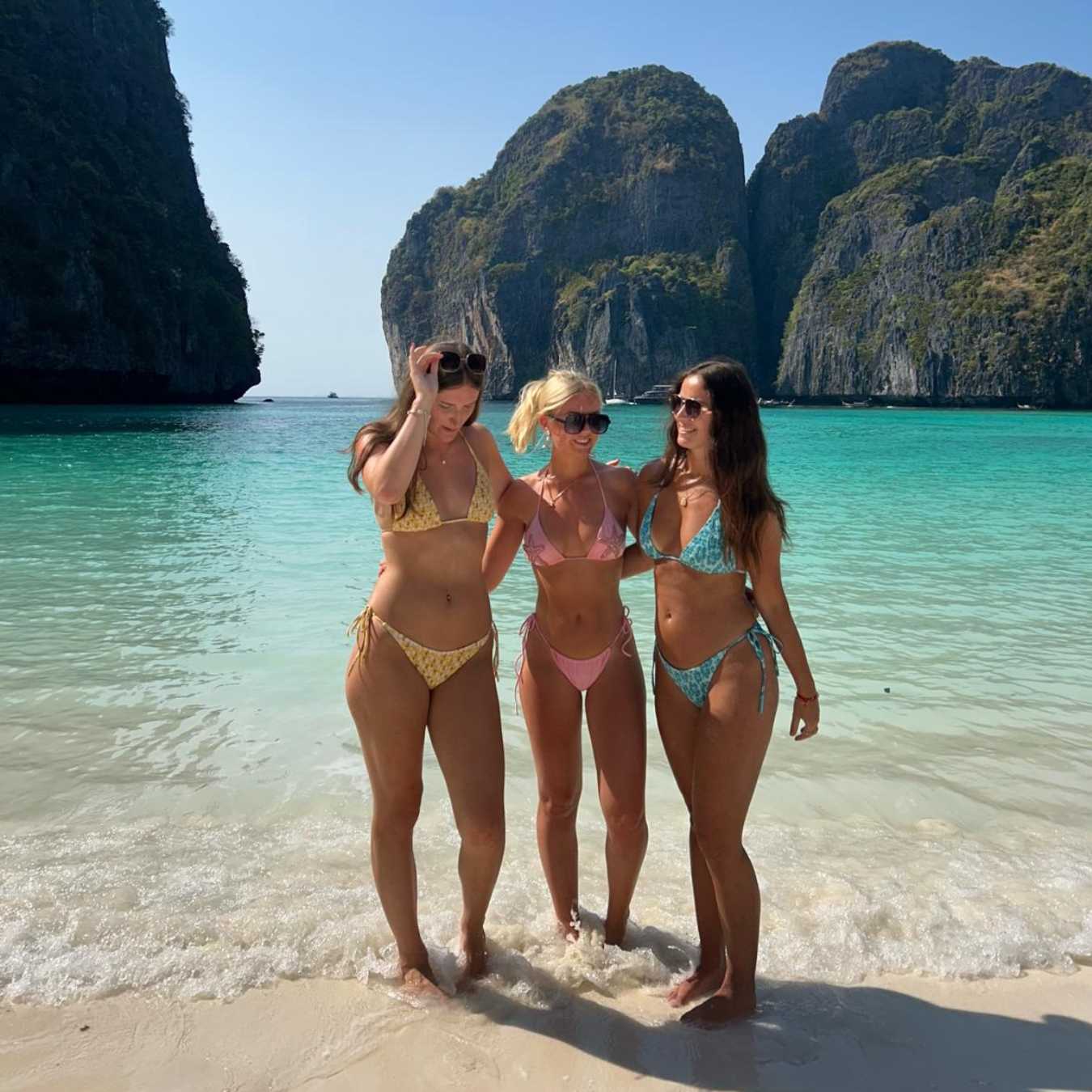
Angkor Wat sunrise entry: around £37 for a day pass (worth every penny). Longtail boat on Cheow Lan Lake: £15–20 split between people. Maya Bay: included in island-hopping tours from around £30.
The Honest Total
A well-planned 3-week trip through Thailand, Vietnam, and Cambodia — flights included — can realistically come in at £1,200–1,800 depending on your travel style. That’s less than most people spend on a week in Spain when you factor in all the extras.
The key is knowing where to save (accommodation, food, local transport) and where to spend (once-in-a-lifetime experiences like Angkor Wat at sunrise — do not skip that).